
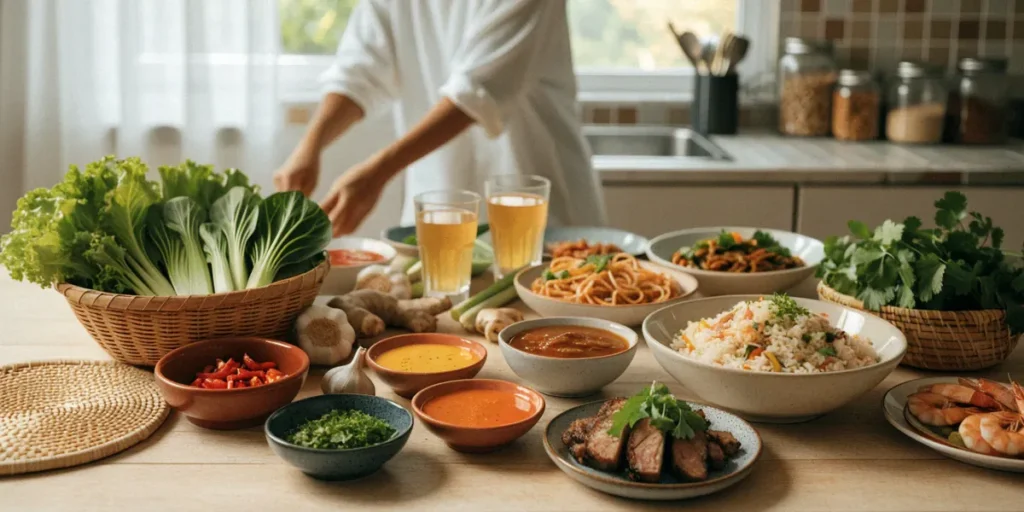
Filipino Fiesta Menu Planning: How We Build a Feast Around Lechon
There is no sound quite like it: the crackle of a knife breaking through the blistered, mahogany skin of a whole Cebu lechon, followed by the sigh of a room that knows exactly what is coming next. At every Filipino party we have catered or attended across Australia, the lechon is the moment. But before the applause, there is the question every host asks us first: how much pork do we actually need for a Filipino fiesta in Australia? Get that number wrong and you either run out of the star of the show or you are eating lechon sandwiches for a week. This guide walks through exactly how we build a fiesta menu around lechon, from the supporting dishes to the rice, desserts, drinks, and the Aussie logistics that keep the skin crispy.
Why Lechon Anchors Every Filipino Fiesta Menu
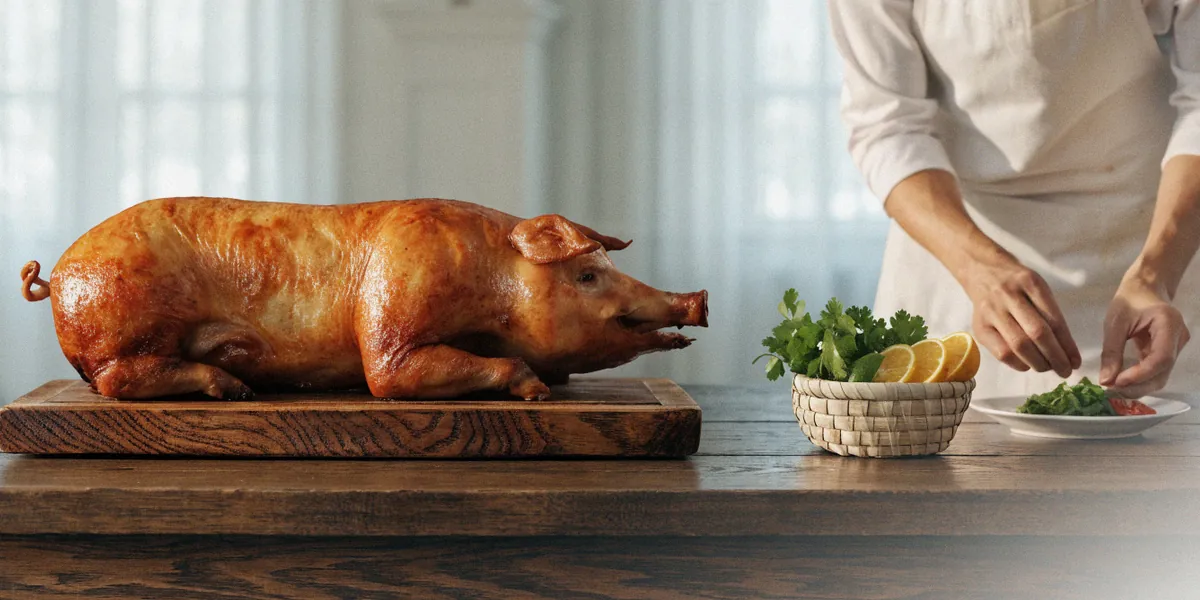
In Filipino food culture, lechon is not just a dish — it is a declaration. A birthday, a christening, a graduation, a community fundraiser: if there is a whole roast pig on the table, the occasion is officially a celebration. The crispy skin and rich, herbaceous meat set the tone for everything else on the menu. Once lechon is the centrepiece, the supporting dishes know their job: balance the richness, stretch the table, and keep everyone fed.
Here in Australia, families have two main paths. Many order from Filipino caterers in Sydney and Melbourne who specialise in whole roast pork, while others go the DIY route with a spit and a backyard full of uncles taking shifts. Both work. What matters is planning the rest of the menu around the pork, not in competition with it.
Cebu Lechon vs. Manila-Style Lechon: What We Recommend
Cebu lechon is known for its crispy skin and deeply savoury, herb-stuffed meat, and it is the style we recommend for a fiesta centrepiece. The Cebuano approach packs the belly with lemongrass, garlic, spring onion, and sometimes star anise, so the meat arrives already seasoned — no lechon sauce strictly required, though we still put it on the table. Manila-style lechon tends to lean on the liver-based sauce for flavour, which is delicious in its own right but a different experience.
If you are ordering from a Filipino caterer in Sydney or Melbourne, ask which style they do and whether the pig is spit-roasted on-site or delivered. Cebu-style is usually the premium option, and in our experience it is worth it for a milestone event.
How Much Lechon Per Guest: Our Rule of Thumb
Our working numbers for a Filipino fiesta in Australia:
- Allow roughly 400–500g of cooked lechon per adult guest when lechon is the main protein.
- For 20 guests, that lands you at one 8–10 kg lechon — the size we order most often.
- If you are also serving adobo, pancit, and lumpia in full force, you can edge toward the lower end.
- Always add a little buffer. Leftover lechon reheats beautifully in a frypan or gets chopped into fried rice the next day.
Building the Supporting Cast: Filipino Favourites That Travel Well
The trio that keeps guests happy and balances the heaviness of roast pork is lumpia, pancit, and adobo. In Australia, lumpia and pancit are typically the first dishes to run out at Filipino parties — we have watched trays of pancit vanish before the lechon is even carved. Plan accordingly, and never assume a single tray is enough for a hungry crowd.
Lumpia: Fresh or Fried?
Fried lumpia — lumpiang shanghai, the thin, crisp pork-and-vegetable rolls — is the party standard and the version that disappears fastest. Fresh lumpia (lumpiang sariwa) is a lovely addition for a summer gathering, wrapped in a soft crepe with a peanut-garlic sauce, but it does not hold up as well on a buffet table in the heat. For a fiesta, we usually go fried for volume and add fresh lumpia only if the event is seated and served quickly.
Pancit: The Noodle Dish That Feeds a Crowd
Pancit is the great stretcher of any Filipino menu. A large tray of pancit guisado or pancit bihon feeds a crowd cheaply, travels well, and gives guests something lighter to pair with the pork. It is also traditionally linked to long life and good fortune, which makes it a natural fit for birthdays and christenings. Cook it in bulk, keep it saucy enough that it does not dry out, and serve it warm rather than piping hot.
Adobo and Other Braised Dishes for Make-Ahead Ease
Adobo is the host’s secret weapon because it tastes better the next day. Pork or chicken adobo, braised in soy, vinegar, garlic, and bay leaf, can be cooked two days ahead and gently reheated. The same goes for beef mechado, kaldereta, and dinuguan if your crowd loves it. These dishes fill out the table, add variety, and mean you are not cooking everything on the day the lechon arrives.
Sides, Sauces, and the Rice Question
Garlic rice, atchara, and lechon sauce are the essential accompaniments, and we always plan for more rice than we think we need. Rice is not a side dish at a Filipino fiesta — it is the foundation. Asian grocers in Australia make it easy to find atchara, lechon sauce, and calamansi, so sourcing these is rarely a problem in Sydney, Melbourne, Brisbane, or Perth.
Garlic Rice: The Quiet Hero
Sinangag, or garlic fried rice, soaks up lechon drippings and sauce in a way plain steamed rice cannot. It is simple — day-old rice, plenty of toasted garlic, a little salt — but it is the dish guests keep coming back for. For 20 people, we plan around 1 to 1.5 cups of cooked rice per person, then add a little extra. Rice is cheap; running out is not.
Atchara and Lechon Sauce: Acid and Savoury Balance
Atchara, the pickled green papaya relish, cuts through the fat of roast pork and resets the palate between bites. Lechon sauce — the sweet-savoury liver sauce — is the classic dipping companion, especially for Manila-style lechon. Put both on the table in generous bowls. A squeeze of calamansi over the meat is another small touch that makes a big difference.
Desserts and Drinks for a Filipino Fiesta
Leche flan, halo-halo, and bibingka are the crowd-pleasers we see emptied first at dessert time, and refreshing drinks like calamansi juice and sago’t gulaman keep everyone cool. Many Australian hosts now order these from Filipino bakeries or make them at home the day before. In summer, a cold dessert table is genuinely welcome after a heavy plate of pork and rice.
Leche Flan and Other Make-Ahead Sweets
Leche flan is dense, caramel-topped, and made for advance preparation — it actually improves after a night in the fridge. Bibingka, the coconut and rice cake, works well baked in trays and cut into squares. If you want a third option, buko pandan or cassava cake both hold up beautifully at room temperature.
Calamansi Juice and Sago’t Gulaman: Non-Alcoholic Crowd Pleasers
Calamansi juice is tart, bright, and the perfect foil to rich food. Sago’t gulaman — a sweet iced drink with tapioca pearls and jelly — is a fiesta staple and a hit with kids and adults alike. Make both in large pitchers or dispensers, keep them iced, and you will barely need anything else on the drinks table.
Timing, Catering, and Aussie Logistics
Ordering lechon in Australia takes more lead time than most first-time hosts expect. Good Filipino caterers in Sydney and Melbourne can book out weeks ahead during peak season — Christmas, New Year, and the summer birthday rush. Once the lechon is in your hands, the clock is ticking on that crispy skin, and Australian summer heat is the enemy.
Ordering Lechon in Australia: Lead Times and Pickup Tips
- Book your caterer at least two to three weeks ahead; four to six weeks for December and January events.
- Confirm whether the lechon is delivered whole, chopped, or carved on-site — carving on-site preserves the skin best.
- If picking up, bring a clean, lined boot or ute tray and drive directly to the venue. No detours.
- Ask the caterer to pack the skin separately if the pig is chopped, so it stays crisp until serving.
Keeping Lechon Crispy in the Aussie Heat
Australian summer heat means hosts should plan shade and quick serving to keep lechon skin crispy. Keep the pig out of direct sun, serve it within 30 to 45 minutes of arrival, and carve in front of guests rather than pre-plating. If you must hold it, keep it in the coolest spot available and avoid covering it tightly, which traps steam and softens the skin.
Our Sample Fiesta Menu for 20 Guests
Here is the exact menu we recommend for a 20-guest Filipino fiesta in Australia. It works for birthdays, christenings, and community gatherings, and it is built around one 8–10 kg lechon, 60 lumpia, and a large tray of pancit.
- Centrepiece: One 8–10 kg Cebu-style lechon, carved on-site
- Lumpia: 60 pieces of lumpiang shanghai, fried and served hot
- Noodles: One large tray of pancit guisado or pancit bihon
- Braised dish: One large pot of pork or chicken adobo, made a day ahead
- Rice: Garlic rice for 20, plus a small buffer tray
- Sides: Atchara and lechon sauce in generous bowls, calamansi wedges
- Dessert: Leche flan, cut into 20+ slices, plus bibingka squares
- Drinks: Calamansi juice and sago’t gulaman, iced
This menu scales cleanly. Double it for 40 guests with a second lechon or a larger pig, and keep the ratios the same.
FAQ
How much lechon do I need per person in Australia?
We plan around 400–500g of cooked lechon per adult when it is the main protein. For 20 guests, that means one 8–10 kg lechon. If you are serving heavy supporting dishes like pancit and adobo, you can lean toward the lower end, but always add a small buffer.
Where can I order Cebu lechon in Sydney or Melbourne?
Several Filipino caterers in Sydney and Melbourne specialise in whole roast pork, including Cebu-style lechon stuffed with lemongrass and garlic. Book two to three weeks ahead, and four to six weeks ahead for December and January events, as peak season fills up fast.
How do I keep lechon skin crispy at an outdoor party?
Keep the lechon in the shade, serve it within 30 to 45 minutes of arrival, and carve it in front of guests rather than pre-plating. Do not cover it tightly, as trapped steam softens the skin. Australian summer heat works against you, so plan shade and quick serving from the start.
What dishes should I serve alongside lechon?
Lumpia, pancit, and adobo are the trio we rely on. Add garlic rice, atchara, and lechon sauce as essentials, then finish with leche flan and calamansi juice. Lumpia and pancit are typically the first dishes to run out at Filipino parties in Australia, so plan generous portions.
Can I make the supporting dishes ahead of time?
Yes, and we recommend it. Adobo, leche flan, and bibingka all improve or hold well with a day of advance preparation. Pancit and lumpia are best made fresh on the day, but you can prep the fillings and chop vegetables the night before to save time.
A great Filipino fiesta menu is really about balance: a show-stopping lechon at the centre, lighter dishes like pancit and atchara to keep plates moving, generous rice, and cold sweets and drinks to finish. Get the quantities right, respect the Aussie heat, and let the lechon shine — that is how you make guests feel genuinely welcome, whether you are hosting 20 people in a Sydney backyard or a full community hall in Melbourne.