
Ayer Lechon: Your Gateway to Filipino Lechon and Cebuano Food in Australia
There’s a moment just before the first cut that every lechon lover knows by heart. The skin gives way with a sharp, glassy crackle, and a wave of warm aroma rises up — lemongrass, garlic, spring onion, and slow-rendered pork fat mingling in the air. It’s the smell of a Filipino celebration, whether you’re in Cebu City or Western Sydney. Here at Ayer Lechon, we’ve built our blog around chasing that moment across Australia. Join our team as we explore Filipino food culture down under — from the bustling stalls of Sydney’s Filipino Market in Blacktown to the sizzling Lechon Festival in Melbourne — and share everything we learn about Cebu lechon, Cebuano cooking, and Filipino catering along the way.
What Makes Cebu Lechon the Star of Filipino Celebrations
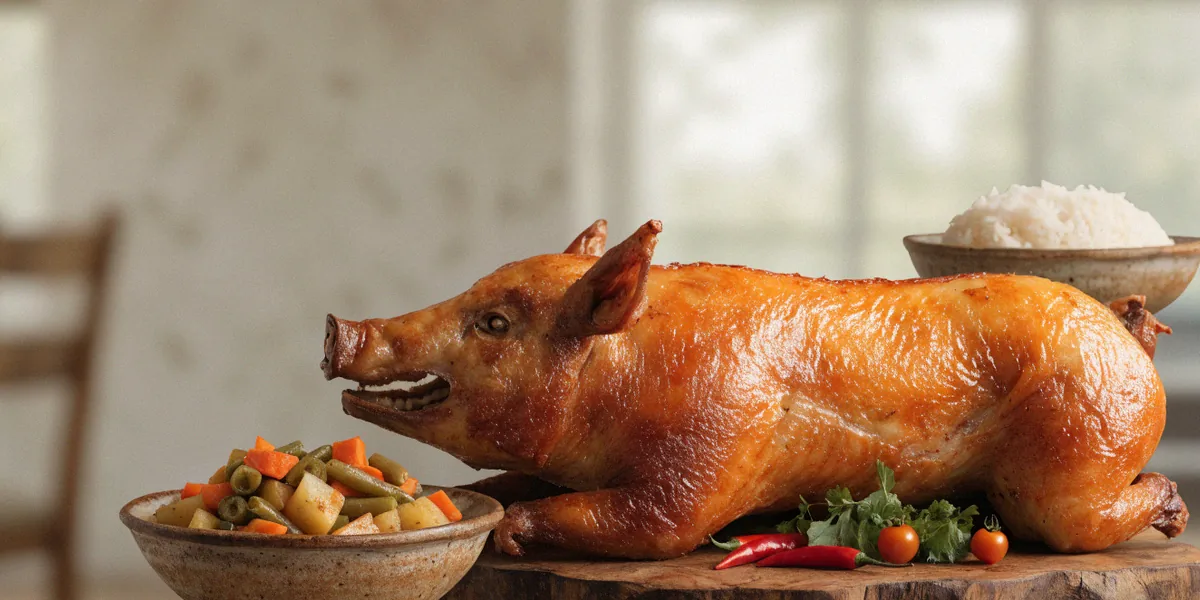
Ask any Filipino which lechon is the best and you’ll likely hear one word: Cebu. In the Philippines, Cebu lechon is treated less like a dish and more like a national treasure. The island province on the map has built an entire identity around its roast pork, and for good reason. Cebu lechon is famous for a skin so crisp it shatters like toffee, and meat that’s been perfumed from the inside out with aromatics stuffed into the belly before the whole pig goes over the coals.
Unlike many styles of roast pork around the world, Cebu lechon is not served with a heavy sauce. It doesn’t need one. The flavour comes from within — lemongrass, garlic, red onion, spring onion, bay leaves, black pepper, and sometimes star anise or calamansi — all packed into the cavity so the meat steams and infuses as it roasts. The result is pork that’s juicy, savoury, and gently herbal, with a crackling that’s practically a spectator sport.
In Filipino culture, lechon is the centrepiece of the biggest moments. Birthdays, christenings, weddings, graduations, fiestas, Christmas Eve — if the occasion matters, a lechon is on the table. It’s a statement of generosity. Serving lechon says you’ve gone all out for your guests, and in Filipino households, that’s the highest compliment you can pay them.
That tradition has travelled with the Filipino diaspora to Australia, and it’s thriving. In Sydney, families queue at the Filipino Market in Blacktown for their weekend supplies and pre-ordered lechon. In Melbourne, the annual Lechon Festival has become a genuine highlight of the city’s food calendar, drawing thousands of people to celebrate the crackling, the culture, and the community. We’ve watched first-timers bite into a piece of Cebu-style lechon at these events and immediately understand why Filipinos are so protective of it.
The Art of Roasting: From Cebu to Your Plate
Traditional Cebu lechon is roasted over charcoal, turned slowly by hand on a long bamboo pole, sometimes for four to six hours. The pig is basted with coconut water or a soy and vinegar mixture, and the skin is constantly mopped so it blisters evenly into that deep amber, lacquered finish. It’s hot, patient, physical work, and the best lechoneros in Cebu guard their recipes like family heirlooms.
When that technique makes the trip to Australia, a few things change. Local regulations, equipment, and the availability of whole pigs mean many Australian-based lechon makers adapt the process — some use commercial rotisseries, others build custom charcoal pits for events. What doesn’t change is the philosophy: aromatics in the belly, patience on the fire, and skin that has to crackle.
We’ve spoken with Filipino-Australian cooks who roast lechon for their communities in Sydney and Melbourne, and they all say the same thing — the process is only half the recipe. The other half is the occasion. Lechon tastes better when it’s shared, when the whole room goes quiet for the crackle, and when someone’s lola declares it “almost as good as home.”
Why Cebu Lechon Stands Out Among Roast Pork
Australia has no shortage of excellent roast pork. From Chinese siu yuk to European porchetta and classic Aussie crackling, we’re spoiled. So what makes Cebu lechon different? A few things stand out:
- The stuffing: Lemongrass, garlic, onion, and sometimes calamansi give the meat an aromatic, citrusy backbone that most roast pork simply doesn’t have.
- No sauce required: Cebu lechon is served with its own juices or a light vinegar dip — the flavour is built in, not poured on.
- The skin: Cebu-style crackling is famously thin, blistered, and shatteringly crisp, almost like a potato chip.
- The meat: Slow roasting over charcoal keeps the pork juicy and tender, with a subtle smokiness.
- The ritual: Lechon is carved and served in front of guests, making it a performance as much as a meal.
Once you’ve had proper Cebu lechon, it’s hard to go back. We’ve seen it convert plenty of Aussies who thought they knew what roast pork was.
Finding Authentic Cebu Lechon in Australia
The good news for Filipino food lovers in Australia is that authentic Cebu-style lechon is more accessible than ever. Here’s where we’ve found it:
- Sydney: The Filipino Market in Blacktown is a hub for Cebu lechon orders, especially on weekends and ahead of major Filipino holidays. Several Filipino groceries and takeaways around Western Sydney also take pre-orders.
- Melbourne: The annual Lechon Festival has put Melbourne on the map as a serious lechon city, and Filipino-run eateries around Footscray and the CBD often offer lechon belly and whole lechon by order.
- Brisbane: Filipino food pop-ups around the city have made lechon more available for weekend gatherings and private events.
- Perth and Darwin: Smaller but passionate Filipino communities run regular markets and festivals where lechon is a headline item.
- Catering: Ayer Lechon catering services in Australia make it easy to order lechon for weddings, birthdays, and corporate events without hunting down a supplier yourself.
If you’re planning something special, our advice is simple: order early. Good lechon takes time, and the best suppliers book out weeks in advance — especially around Christmas and Filipino fiesta season.
Filipino Food Beyond Lechon: A Taste of Cebuano Cuisine
As much as we love lechon, Cebuano cuisine is so much more than roast pork. Cebuano cooking is defined by fresh seafood, sour broths, grilled meats, and a love of strong, clean flavours. If you’ve only ever eaten lechon at a Filipino party, you’ve been missing out on some of the most exciting dishes in Southeast Asia.
Cebuano food has its own personality within Filipino cuisine. It leans into vinegar, calamansi, and grilled techniques, and it’s famous for dishes like kinilaw, ngohiong, puso, and lechon. Many of these are designed to be eaten together — a plate of lechon next to a bowl of kinilaw, a few puso rice parcels, and a cold drink is one of the great meals of the Filipino table.
In Australia, this food is having a moment. Brisbane’s Filipino food pop-ups have introduced Cebuano specialties to audiences who’d never heard of kinilaw a few years ago. Perth’s Filipino restaurants and weekend markets are serving ngohiong and grilled skewers to a growing crowd. And in Sydney, Melbourne, and Darwin, Filipino food festivals are putting Cebuano cuisine in front of thousands of curious eaters every year.
Kinilaw: The Filipino Ceviche You Need to Try
If you love ceviche, poke, or any raw fish dish, kinilaw is your next obsession. Kinilaw is a Filipino dish of fresh fish — often tuna, mackerel, or tanigue — “cooked” in vinegar and calamansi, then tossed with ginger, red onion, chilli, and sometimes coconut milk. It’s bright, tangy, and incredibly refreshing, and it’s a staple of Cebuano celebrations.
The key to great kinilaw is freshness. In Cebu, kinilaw is often made with fish that was swimming that morning. In Australia, we’re lucky to have access to excellent seafood — kingfish, snapper, tuna, and Spanish mackerel all work beautifully. Filipino chefs in Australia have adapted kinilaw for local palates by using native Australian fish and sometimes adding a little finger lime for extra zing.
Kinilaw pairs beautifully with lechon. The acidity cuts through the richness of the pork, and the fresh chilli and ginger keep your palate awake between bites of crackling. If you’re planning a Filipino feast at home, serve them together and watch your guests go back for more.
Ngohiong and Other Cebuano Street Food Favorites
Cebuano street food is its own universe, and ngohiong is one of its most beloved exports. Ngohiong is a Cebuano take on the Chinese spring roll — a crispy roll filled with pork, shrimp, jicama, and five-spice, served with a sweet and sour dipping sauce. It’s crunchy, savoury, and slightly sweet, and once you’ve had a good one, you’ll be ordering them by the dozen.
Other Cebuano favourites worth hunting down include:
- Puso: Rice steamed inside woven coconut leaves — the classic pairing for lechon and grilled meats.
- Chicharon: Crispy pork rinds, often dipped in vinegar.
- Ngohiong: Five-spice spring rolls, a Cebuano icon.
- Larsian-style grilled skewers: Marinated pork, chicken, and innards grilled over charcoal and dipped in vinegar with onion and chilli.
- Humba: Slow-braised pork belly with soy, vinegar, and banana blossoms — a comforting Cebuano classic.
- Otap and dried mangoes: Cebu’s most famous sweets and snacks, easy to find in Australian Filipino stores.
These dishes are the everyday food of Cebu, and they’re what Cebuano families in Australia cook when they’re homesick. Finding them in a pop-up or market here is a small but meaningful taste of home.
Where to Find Cebuano Cuisine in Australia
If you’re keen to explore Cebuano food beyond lechon, here’s where we’d start:
- Brisbane: Filipino food pop-ups around the city regularly feature Cebuano dishes, especially kinilaw, ngohiong, and grilled skewers. Follow local Filipino food pages to catch them.
- Perth: Filipino restaurants and weekend markets serve ngohiong, lechon belly, and Cebuano-style grilled dishes.
- Sydney: The Filipino Market in Blacktown is the go-to for ingredients, snacks, and prepared foods. Filipino eateries around Western Sydney also serve kinilaw and grilled favourites.
- Melbourne: The annual Lechon Festival and Filipino eateries around Footscray and the CBD offer a strong introduction to Cebuano cooking.
- Darwin: Darwin’s Filipino food festivals bring together the community for lechon, grilled skewers, and Cebuano desserts — a must-visit if you’re in the Top End.
Our advice: go with an open mind and an empty stomach, and ask the vendors what they recommend. Filipino food culture is generous, and people love to share what they’ve cooked.
How to Order Lechon for Your Next Australian Party
So you’ve decided to throw a Filipino-style party. Excellent choice. Whether you’re celebrating a milestone birthday, a wedding, a christening, or just a big weekend gathering, lechon transforms an ordinary event into something memorable. The question is: how do you actually order one in Australia?
Ordering lechon here is easier than many people think, but there are a few things worth knowing before you commit. Sizing, timing, delivery, and sides all matter, and getting them right means the difference between a good party and a legendary one.
Choosing the Right Size: Whole Lechon vs. Belly
The first decision is whether to order a whole lechon or lechon belly. Both are excellent, and the right choice depends on your guest list and the vibe of your event.
- Whole lechon: A whole roasted pig is the traditional centrepiece. It’s dramatic, it feeds a crowd (roughly 30 to 60 people depending on size), and it’s carved in front of guests. Perfect for weddings, big birthdays, and Filipino fiestas.
- Lechon belly: A rolled pork belly stuffed with lemongrass and aromatics, roasted until the skin crackles. It’s easier to transport, easier to carve, and ideal for smaller gatherings of 8 to 20 people. It also works beautifully as a shared dish at a dinner party.
- Lechon chunks or packs: Some suppliers offer pre-cut lechon by the kilo, which is great for casual events, office lunches, or when you just want lechon without the ceremony.
As a rule of thumb, plan for about 250 to 350 grams of cooked lechon per guest if it’s the main protein, less if you’re serving a lot of sides. When in doubt, order slightly more — leftover lechon is a gift, not a problem.
Filipino Catering in Australia: What to Expect
Filipino catering in Australia has grown enormously in the last decade, and Ayer Lechon catering services in Australia are part of that wave. Here’s what you can typically expect when you book a Filipino caterer for your event:
- Pre-order timelines: Whole lechon usually needs at least 5 to 7 days’ notice, and longer during peak seasons like Christmas, New Year, and Filipino fiesta months.
- Delivery or pickup: Many caterers offer delivery across metro areas, sometimes with an on-site carving service. Others prefer pickup, especially for lechon belly.
- Pricing: Whole lechon pricing in Australia generally ranges depending on size, delivery distance, and whether carving is included. Lechon belly is usually priced per kilo or per roll.
- Package deals: Many Filipino caterers offer lechon plus sides packages — pancit, lumpia, rice, and desserts — which makes party planning much simpler.
- Dietary and cultural needs: Good caterers will work with you on halal, no-pork, or vegetarian options for mixed guest lists.
Our tip: book early, confirm delivery time windows, and ask whether the caterer provides carving. A freshly carved lechon is a much better experience than one that’s been sitting in a box for an hour.
Pairing Lechon with Traditional Sauces and Sides
Lechon is the star, but the supporting cast matters. Here’s how we like to build a Filipino lechon spread:
- Vinegar dip: The classic — cane vinegar with chopped red onion, garlic, chilli, and a squeeze of calamansi or lemon.
- Lechon sauce: A sweet-savoury liver-based sauce, traditionally served with lechon in some regions. Rich and slightly tangy.
- Puso or steamed rice: Rice is non-negotiable. Puso (rice in woven coconut leaves) is the traditional pairing.
- Kinilaw: A fresh, acidic counterpoint to the richness of the pork.
- Pancit: Filipino noodles, always present at celebrations and said to symbolise long life.
- Lumpia: Spring rolls — fried or fresh — are a party staple.
- Atchara: Pickled green papaya, a bright, crunchy palate cleanser.
- Halo-halo or leche flan: For dessert, either of these will end the meal on a high note.
If you’re catering for a mixed Australian-Filipino crowd, don’t be shy about adding a few local touches — a fresh salad, some grilled vegetables, or a cold beer pairing. Lechon plays nicely with everything.
Our Team’s Adventures in the Australian Filipino Food Scene
One of the best parts of running Ayer Lechon is that our research involves eating. A lot. Over the past few years, our team has travelled across Australia to eat lechon, meet Filipino cooks, and document the growing Cebuano food scene here. What we’ve found is a community that’s warm, generous, and deeply proud of its food.
From the queues at Sydney’s Filipino Market in Blacktown to the sizzle of lechon stalls at Darwin’s Filipino food festivals, the energy is contagious. Every event we’ve been to has ended with new friendships, new recipe tips, and at least one person insisting we try their family’s version of a dish.
Behind the Scenes: Tasting Lechon Across Australia
We’ve eaten a lot of lechon in the name of “work.” Some highlights from our travels:
- Sydney: A weekend visit to the Filipino Market in Blacktown turned into an all-day feast — lechon belly, kinilaw, and enough puso to feed a small barangay.
- Melbourne: The annual Lechon Festival was a revelation. The crackling was outstanding, and the crowd’s enthusiasm for Filipino food was genuinely moving.
- Brisbane: A Filipino food pop-up in the city introduced us to a Cebuano-style ngohiong that we still think about.
- Perth: A small but mighty Filipino food scene with excellent grilled skewers and a strong home-cooking culture.
- Darwin: Darwin’s Filipino food festivals are some of the most joyful we’ve attended — a true community celebration with lechon at the centre.
What struck us most is how consistent the quality is. Filipino-Australian cooks take their food seriously, and it shows.
Community Events and Pop-Up Dinners We Love
Australia’s Filipino food scene runs on community events. Pop-up dinners, weekend markets, church fundraisers, and food festivals are where the best cooking happens — often from home cooks who’ve never worked in a restaurant but can roast a lechon better than anyone.
We particularly love:
- Brisbane’s Filipino food pop-ups, which regularly sell out and showcase Cebuano dishes alongside modern Filipino fusion.
- The annual Lechon Festival in Melbourne, which has become a flagship event for Filipino food in Australia.
- Darwin’s Filipino food festivals, which bring together the Northern Territory’s Filipino community for a weekend of eating, dancing, and catching up.
- Sydney’s Filipino Market in Blacktown, which functions as both a grocery hub and a community meeting place.
If you haven’t been to one of these events yet, put it on your calendar. You’ll leave full, happy, and with a new appreciation for how vibrant Filipino food culture is in Australia.
Tips from Local Filipino Chefs
We’ve picked up a lot of wisdom from Filipino chefs and home cooks across Australia. Here are some of their best tips:
- Dry the skin: Before roasting, pat the pig’s skin completely dry and let it air in the fridge. Dry skin equals crisp crackling.
- Stuff generously: Don’t skimp on lemongrass, garlic, and onion in the cavity. The aroma is half the experience.
- Baste with care: Too much liquid on the skin will stop it from crisping. Baste the meat, protect the skin.
- Rest before carving: Let the lechon rest for at least 15 to 20 minutes before carving so the juices redistribute.
- Serve immediately: Lechon is at its best in the first 30 minutes after carving. Plan your timing around the meal.
- Use local ingredients where it makes sense: Australian lemongrass, garlic, and vinegar are excellent — don’t feel you have to import everything.
These tips come straight from people who’ve been cooking Cebuano food in Australia for decades. We’re grateful every time someone shares one with us.
Bringing the Flavors of Cebu to Your Australian Kitchen
Not everyone wants to order catering — sometimes you just want to cook. And honestly, there’s something deeply satisfying about making your own lechon-style roast pork at home, even if it’s not a whole pig. The good news is that Cebuano cooking is very achievable in an Australian kitchen, especially with the ingredients available at Filipino stores and Asian grocers around the country.
Whether you’re attempting your first lechon belly or branching out into kinilaw and ngohiong, the principles are the same: fresh ingredients, bold seasoning, and a bit of patience.
DIY Lechon: A Beginner’s Guide
Making lechon at home doesn’t have to mean roasting a whole pig. Lechon belly is the perfect entry point — it’s manageable, forgiving, and delivers that signature crackling. Here’s a simple approach:
- Get a good pork belly: Ask your butcher for a boneless belly with the skin on, ideally around 1.5 to 2 kg.
- Stuff it: Lay the belly skin-side down and fill with lemongrass, garlic, red onion, spring onion, and black pepper. Roll and tie tightly with kitchen twine.
- Dry the skin: Pat the skin dry, rub with salt, and leave uncovered in the fridge overnight. This step is critical for crackling.
- Roast low, then high: Roast at around 160°C for 2 to 2.5 hours, then blast at 220°C for 20 to 30 minutes until the skin puffs and crisps.
- Rest and carve: Rest for 15 minutes, then carve into thick slices and serve with vinegar dip.
For a more traditional experience, you can also roast a whole suckling pig if you have access to a rotisserie and a very patient afternoon. But for most home cooks, lechon belly is the way to go.
Sourcing Filipino Ingredients in Australia
One of the biggest questions we get is where to buy Filipino ingredients in Australia. The answer is: more places than you’d think.
- Filipino groceries: Sydney’s Filipino Market in Blacktown is a goldmine. Similar stores exist in Melbourne, Brisbane, Perth, and Darwin.
- Asian supermarkets: Most large Asian grocers stock Filipino staples like cane vinegar, calamansi concentrate, annatto seeds, and banana leaves.
- Fresh produce: Lemongrass, garlic, ginger, and chilli are available at any Australian supermarket or farmers’ market.
- Online: Filipino food suppliers ship nationwide, which is a lifesaver if you live outside the major cities.
- Butchers: Build a relationship with a good local butcher — they can source pork belly, whole pigs, and specialty cuts with notice.
Key items to have on hand: cane vinegar (or white vinegar as a substitute), calamansi juice or concentrate, annatto seeds for colour, lemongrass, banana leaves, and soy sauce. With those, you can cook a surprising amount of Cebuano food.
Cebuano Recipes to Try at Home
Once you’ve mastered lechon belly, here are some Cebuano dishes worth adding to your repertoire:
- Kinilaw: Cube fresh fish, marinate briefly in vinegar and calamansi, then toss with ginger, onion, chilli, and a little coconut milk. Serve cold.
- Ngohiong: Roll pork, shrimp, and jicama in spring roll wrappers with five-spice, then deep fry until golden. Serve with sweet chilli sauce.
- Humba: Braise pork belly with soy sauce, vinegar, garlic, bay leaves, and banana blossoms until tender and glossy.
- Puso: If you can get coconut leaves, try making rice parcels — otherwise, steamed jasmine rice works beautifully alongside lechon.
- Chicharon: Deep-fry dried pork skin until puffed and crispy, then dip in vinegar with onion and chilli.
These recipes are a great way to bring a taste of Cebu into your kitchen, whether you’re cooking for family, friends, or just yourself on a quiet Sunday.
Ready to skip the cooking and go straight to the good stuff? Explore Ayer Lechon catering services in Australia and let us handle the lechon for your next celebration — we’ll bring the crackle, you bring the guests.
Frequently Asked Questions
What is Cebu lechon and why is it different from other roast pork?
Cebu lechon is a Filipino whole roast pig that originated in Cebu province. It’s different from other roast pork because the belly is stuffed with lemongrass, garlic, onion, and other aromatics before roasting, which flavours the meat from the inside. The skin is roasted until it’s thin and shatteringly crisp, and it’s typically served without sauce — the flavour is built in.
Where can I buy Cebu lechon in Australia?
You can find Cebu-style lechon at Filipino stores and markets around Australia, including Sydney’s Filipino Market in Blacktown, Filipino eateries in Melbourne and Brisbane, and pop-ups in Perth. For larger events, Ayer Lechon catering services in Australia make it easy to order whole lechon, lechon belly, or party packages with delivery.
How far in advance should I order lechon for a party?
We recommend ordering at least 5 to 7 days in advance for a whole lechon, and longer during peak seasons like Christmas, New Year, and Filipino fiesta months. Lechon belly can sometimes be ordered with shorter notice, but booking early guarantees availability and gives your caterer time to prepare properly.
What should I serve with lechon?
Classic pairings include steamed rice or puso (rice in woven coconut leaves), vinegar dip with onion and chilli, lechon sauce, kinilaw, pancit, lumpia, and atchara. For dessert, halo-halo or leche flan are perfect. If you’re catering for a mixed crowd, adding a fresh salad or grilled vegetables works beautifully alongside the pork.
Can I make lechon at home in Australia?
Absolutely. Lechon belly is the easiest way to start — roll a pork belly around lemongrass, garlic, and onion, dry the skin overnight, then roast low and finish on high heat for crackling. Whole pig roasting is possible with a rotisserie and patience, but lechon belly delivers the same flavours with far less fuss.
Whether you’re craving a proper Cebu lechon, planning a Filipino party, or just starting to explore Cebuano cuisine, our team is here to guide you through Australia’s vibrant Filipino food scene. From the markets of Blacktown to the festivals of Melbourne and Darwin, there’s never been a better time to fall in love with Filipino food. We’ll see you at the table — and remember, the crackle waits for no one.
Latest articles
- What to Do with Leftover Lechon: Paksiw
 What to Do with Leftover Lechon: Paksiw You’ve just hosted a birthday, a christening, or a handaan for thirty relatives in Sydney,
- Sawsawan: Filipino Dipping Sauces
 Sawsawan: The Filipino Dipping Sauces That Make Lechon Sing You hear it before you see it — that crackling, glass-like shatter as
- Noche Buena: The Filipino Christmas Table
 Noche Buena: The Filipino Christmas Table We still remember the first time we walked into a Filipino family home on Christmas Eve.
- Lechon Belly in a Home Oven
 How to Make Lechon Belly in a Home Oven: A Crispy Filipino Roast Pork Guide Recreating the crackling of a whole spit-roasted
- How Much Lechon to Order per Guest
 How Much Lechon to Order per Guest: A Practical Guide for Aussie Gatherings Picture this: you’ve invited 30 friends and family over
- Getting Crackling Crisp Every Time
 Getting Crackling Crisp Every Time: Our Guide to Perfect Lechon Skin There’s nothing quite as deflating as pulling a beautifully roasted pork