
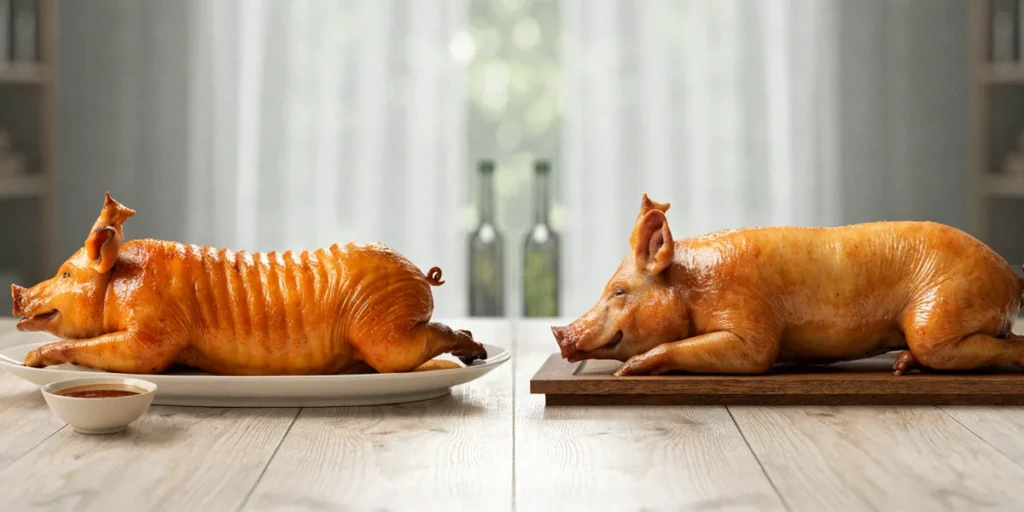
Cebu Lechon vs Manila Lechon: Which Filipino Roast Pork Wins?
Picture the moment a whole roast pig lands on the table at a Filipino party. The skin shatters under the knife with a sound like breaking glass, and the smell that escapes is either sweet lemongrass and garlic or a deep, savoury pork aroma waiting to meet a bowl of liver sauce. That single moment sums up the friendly rivalry between Cebu lechon and Manila lechon. One is famous for meat so flavourful it needs no sauce at all. The other is a milder, juicier classic that leans on a rich sarsa for its punch. Here at ayerlechon.com, we have eaten our fair share of both, and we want to help you pick the right one for your next Australian celebration.
What Is Lechon? A Quick Primer for Aussies
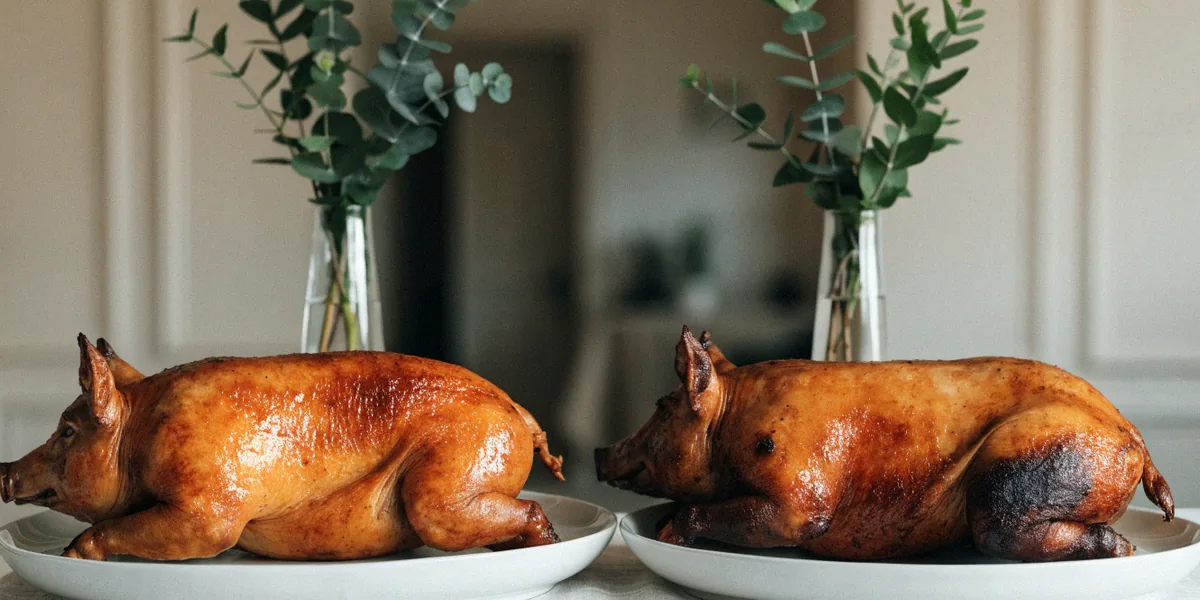
Lechon is the ultimate Filipino celebration dish: a whole pig slowly roasted over live charcoal until the skin turns deep amber and crackles at the slightest touch. The name comes from the Spanish lechón, a nod to the Spanish colonial era that introduced spit-roasting to the Philippines centuries ago. What began as a fiesta centrepiece in towns across Luzon, Visayas, and Mindanao has followed Filipino migrants around the world, and it now turns up at birthdays, christenings, weddings, and Christmas Eve dinners (Noche Buena) in cities right across Australia.
The Role of Lechon in Filipino Culture
In the Philippines, no celebration feels complete without lechon. It signals that the host has gone all out, whether the gathering is a barangay fiesta, a family reunion, or a milestone birthday. The pig is usually the most expensive item on the table, and guests judge the party partly by how good the crackling is. Serving lechon is also a gesture of generosity: the host makes sure every guest, from lola to the neighbours, gets a plate. That sense of occasion travels with Filipino families to Australia, where lechon remains the dish that turns a backyard barbecue into a proper handaan (feast).
Why Lechon Is Gaining Popularity in Australia
Lechon is no longer just a Filipino secret. Food festivals in Sydney and Melbourne regularly feature it, and non-Filipino Australians are discovering that a well-roasted pig is a natural fit for our love of pork roast and crackling. Filipino caterers have responded by offering whole lechon with delivery and on-site carving, so you do not need a backyard spit or a team of helpers to pull it off. Add the growth of Filipino restaurants and grocery stores, and it is now easier than ever to order lechon for an Aussie crowd.
Cebu Lechon: The King of Crispy Skin
Cebu lechon, from the island of Cebu in the Visayas, has a reputation that borders on legend. Anthony Bourdain once called it the best pig he had ever eaten, and Cebuanos will tell you the same thing without hesitation. The difference is in the stuffing: the cavity is packed with lemongrass, garlic, spring onions, and native herbs, which steam and perfume the meat from the inside as it roasts. The result is pork that is already seasoned and aromatic all the way through. Famous Cebu brands like CnT Lechon and Zubuchon have built loyal followings on exactly this style, and both have helped spread Cebu lechon’s fame well beyond the Visayas.
The Secret Stuffing: Lemongrass, Garlic, and More
Cebu lechon is traditionally stuffed with lemongrass, garlic, and native herbs, and that stuffing does most of the heavy lifting. Lemongrass brings a bright citrus note, garlic adds depth, and local herbs and spices round out the aroma. Some cooks add coconut water or brush the skin with a mix that helps it blister evenly. Because the flavour is built in during roasting, the meat tastes complete the moment it is carved.
Why Cebuanos Don’t Need Sauce
Ask a Cebuano for sauce and you may get a puzzled look. Cebu lechon is eaten as is, sometimes with a splash of vinegar, soy sauce, and chilli on the side if you insist. The meat is juicy and savoury on its own, and the skin is thin, glossy, and shatteringly crisp. Adding a heavy sauce would mask the lemongrass and garlic notes that took hours to develop, so the purist approach is simply to eat it straight off the chopping board.
Where to Find Authentic Cebu Lechon in Australia
You will not find a CnT Lechon or Zubuchon outlet in Australia, but you can find caterers and restaurants that replicate the Cebu style. Filipino caterers in Sydney and Melbourne often offer both Cebu and Manila styles, which means you can order a lemongrass-stuffed Cebu-style pig alongside a tub of sarsa for the sauce lovers in the room. Some Filipino grocers and home-based cooks also take whole-lechon orders for weekends and holidays, so it pays to book well ahead, especially around Christmas and fiesta season.
Manila Lechon: The Saucy Classic
Manila lechon comes from the Tagalog heartland of Luzon, and it plays a different game. The meat is typically milder, the skin a little thicker, and the whole experience is built around the sauce. A rich, liver-based sauce called sarsa is the star of the show, and it is served in a bowl beside the pig so every guest can spoon it over their rice and pork. Well-known Manila lechon brands include Elar’s Lechon and Lydia’s Lechon, both of which have been feeding Manila families for decades and are the benchmark for this style.
The Liver Sauce That Steals the Show
Manila lechon is commonly served with a liver-based sauce called sarsa, and for many Filipinos, lechon without sarsa is simply not lechon. The sauce is made from pork liver, vinegar, sugar, breadcrumbs, and aromatics, cooked down into a glossy, tangy, slightly sweet gravy. It adds moisture and a savoury-sour lift that balances the richness of the pork. Some families guard their sarsa recipe more closely than the roasting method itself.
Stuffing Variations: Rice, Spices, and More
Manila-style lechon is sometimes stuffed with rice or spices, and the stuffing varies from family to family. Some cooks fill the cavity with glutinous rice, garlic, and bay leaves, which soaks up the pork juices and becomes a dish in its own right. Others keep it simple with salt, pepper, and lemongrass, letting the sarsa do the flavouring. The common thread is that the meat itself is milder than Cebu lechon, designed to be paired with sauce rather than eaten bare.
Manila Lechon Availability in Australia
Manila-style lechon is widely available through Filipino caterers, restaurants, and community groups in Australia. If you are after the full experience, ask whether sarsa is included or sold separately, and confirm whether the pig is roasted on-site or delivered ready to carve. Elar’s Lechon and Lydia’s Lechon do not operate here, but many local caterers follow their recipes closely, and some even brand their sarsa as “Manila-style” to signal the difference.
Key Differences: Cebu vs Manila Lechon Compared
Both styles are whole roast pigs, but they are built for different kinds of eating. Cebu lechon is known for its aromatic stuffing, while Manila lechon relies on sauce for moisture and tang. Here is how they stack up side by side.
Flavor Profile: Herbal vs Savory
Cebu lechon leans herbal and aromatic, with lemongrass and garlic leading the way. Manila lechon leans savoury and mild, with the pork flavour front and centre and the sarsa adding tang and sweetness on top.
Skin Texture: Crispy vs Chewy
Cebu lechon is prized for thin, glassy skin that shatters when you bite it. Manila lechon skin is also crisp but tends to be a little thicker and chewier, and it softens faster once the pig is carved and plated.
Sauce or No Sauce?
This is the real dividing line. Cebu lechon is eaten sauce-free, maybe with a vinegar dip on the side. Manila lechon is served with sarsa as a matter of tradition, and skipping it would feel incomplete to many Manila families.
Price and Occasion
Prices vary by caterer, pig size, and delivery distance, but Cebu-style lechon often commands a small premium because of the extra stuffing and the reputation that comes with it. In practice, both styles suit the same occasions: birthdays, weddings, christenings, and Christmas parties. If your guest list is mixed, ordering both is a genuinely popular option.
Which Lechon Should You Choose for Your Australian Event?
Our advice is simple: match the lechon to your guests. If your crowd loves crackling and big, bold flavours, go Cebu. If your crowd expects rice, sauce, and a milder bite, go Manila. If you cannot decide, order one of each and let the table vote. Either way, a few practical tips will make the day run smoothly.
Catering Tips for Aussie Gatherings
- Order early. Whole lechon needs lead time, and Christmas and fiesta season bookings fill up fast.
- Confirm the style. Ask specifically whether the caterer roasts Cebu-style (lemongrass and garlic stuffing) or Manila-style (served with sarsa).
- Check the carving setup. Some caterers deliver whole and carve on-site; others deliver chopped and ready to serve.
- Plan for dietary needs. Lechon is naturally gluten-free, but sarsa often contains breadcrumbs, so ask before serving it to coeliac guests.
- Estimate portions. As a rough guide, a whole pig feeds a large crowd, but confirm headcount with your caterer.
- Book Filipino caterers in Sydney and Melbourne early, since they often offer both Cebu and Manila styles and are in high demand.
Pairing Lechon with Local Drinks
Lechon loves a cold, crisp drink. An Australian lager or a pale ale cuts through the richness nicely, and a dry riesling or sauvignon blanc works well with the lemongrass notes in Cebu lechon. For Manila lechon, a slightly sweeter sparkling wine or even a dark rum and coke echoes the sarsa’s tang. If you are serving Filipino favourites like San Miguel or a tuba-style coconut wine, even better.
Both styles have their merits, and the right choice depends on whether you prioritise aromatic, sauce-free meat or a saucier, milder experience. Cebu lechon wins on flavour built into the pig itself, while Manila lechon wins on the comfort of rice, sarsa, and tradition. Our recommendation is to try both at a local Filipino restaurant or caterer, then decide which one earns a spot at your next celebration.
FAQ
What is the main difference between Cebu lechon and Manila lechon?
Cebu lechon is stuffed with lemongrass, garlic, and native herbs, giving it an aromatic flavour that needs no sauce. Manila lechon is milder and is traditionally served with a liver-based sauce called sarsa.
Which lechon is crispier, Cebu or Manila?
Cebu lechon is generally considered the crispier of the two, with thin, glassy skin that shatters easily. Manila lechon skin is crisp but tends to be slightly thicker and chewier.
Can I order Cebu lechon in Australia?
Yes. Filipino caterers in Sydney and Melbourne often offer both Cebu and Manila styles, and some home-based cooks and grocers take whole-lechon orders. You will not find CnT Lechon or Zubuchon outlets here, but local caterers replicate the Cebu method closely.
Do I need sauce for lechon?
Not for Cebu lechon, which is designed to be eaten as is. For Manila lechon, sarsa is part of the tradition, and many guests consider it essential.
Is lechon suitable for guests with dietary restrictions?
The roast pork itself is naturally gluten-free and dairy-free. However, sarsa often contains breadcrumbs, so check with your caterer if you are serving guests with coeliac disease or gluten intolerance.