
A Short History of Lechon in the Philippines
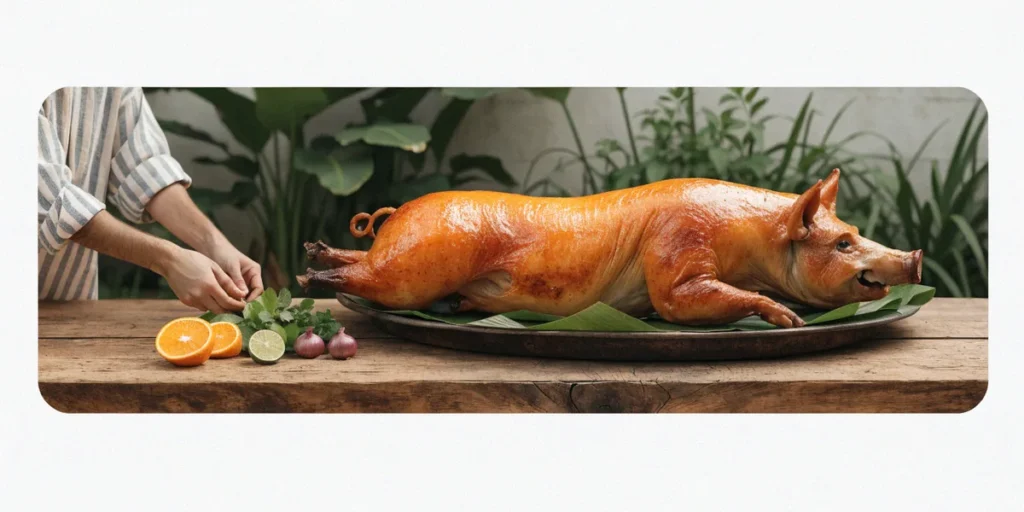
The table is set, the family has gathered, and then it arrives — a whole pig, mahogany-dark and glistening, carried in on a platter while everyone reaches for their phones to take photos. The crackling shatters under the knife, steam rises from the meat, and for a moment nobody talks because everybody is eating. Every Filipino celebration, from a barangay fiesta to a quiet Christening in Western Sydney, seems to orbit around this one dish. So how did lechon become the undisputed star of the fiesta table? The answer stretches back centuries, long before the Spanish ever set foot on Philippine shores.
What Is Lechon? The Dish That Defines Filipino Celebrations
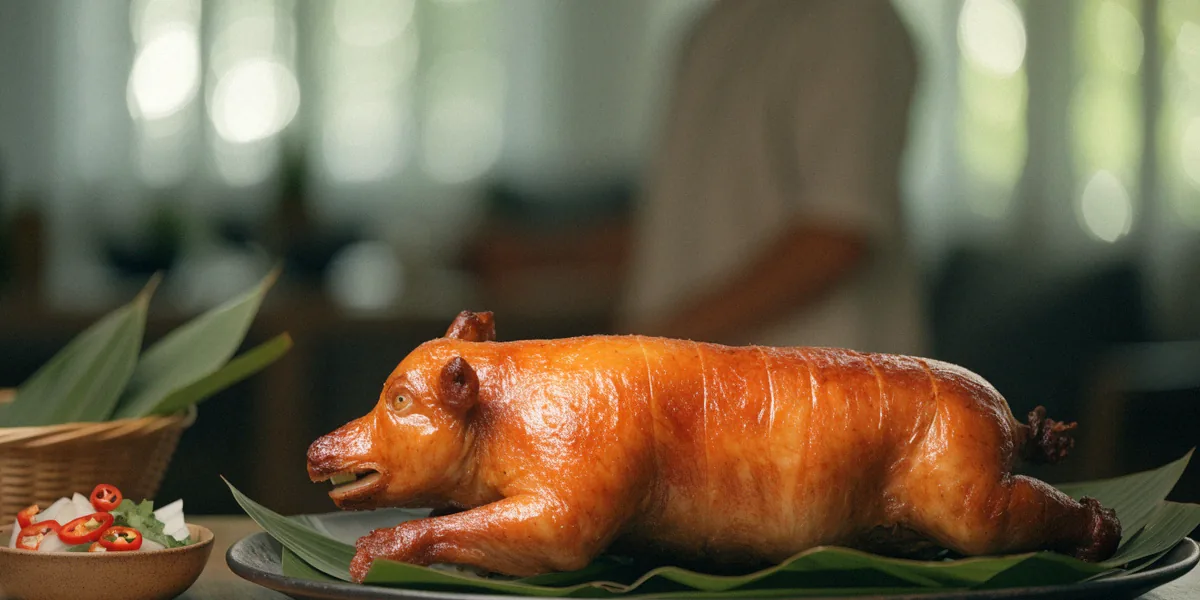
Lechon is a whole pig roasted slowly over charcoal, turned by hand for hours until the skin turns to glass and the meat underneath stays juicy and rich. It is not a side dish or an afterthought — it is the reason people show up early and stay late. In Australia, we see lechon at birthdays, weddings, debut parties, and community gatherings in Sydney, Melbourne, and beyond, and it always gets the same reaction: a crowd around the carving station before the host has even finished saying grace.
The Anatomy of a Perfect Lechon
A proper lechon is judged on three things: skin, meat, and aroma. The skin should crackle loudly when tapped and shatter rather than bend. The meat — shoulder, ribs, loin, and belly — should pull apart without being dry. And the smell should hit you from the driveway: smoke, pork fat, and whatever aromatics were packed inside the cavity. In Cebu, that cavity is typically filled with lemongrass, garlic, and herbs, which perfumes the meat from the inside out.
Why It’s More Than Just Roast Pork
Plenty of cultures roast pork. What makes lechon different is what it represents. It signals that the occasion matters — that the host has gone to real expense and effort for their guests. Serving lechon is a statement of generosity, and in Filipino culture, generosity at the table is how you show love.
Pre-Colonial Roots: Lechon Before the Spanish
Long before Magellan’s ships dropped anchor in 1521, indigenous Filipinos were already roasting pigs over open fires. Wild boar and native pigs were hunted and cooked whole for rituals, harvest celebrations, and community feasts. When Antonio Pigafetta, the chronicler of Magellan’s voyage, documented life in the islands, he noted the practice of roasting pigs — evidence that this was already a deeply embedded tradition, not something imported.
Indigenous Cooking Methods
Early roasting was done over live coals on a spit, with the pig turned constantly by hand. Seasoning was simple: salt, maybe some local herbs, and the natural smoke of the fire. The technique was labour-intensive and communal, with several people sharing the turning duty through the night.
Ritual and Community Significance
Roasted pig wasn’t everyday food — it was ceremonial. It appeared at offerings to ancestral spirits, at victory celebrations, and at gatherings that marked major life events. The act of cooking and sharing it together mattered as much as eating it.
Spanish Influence and the Birth of the Fiesta Lechon
The Spanish didn’t invent lechon in the Philippines, but they reshaped it. The word itself comes from the Spanish lechón, and the colonial era introduced new techniques and seasonings that moved the dish closer to what we recognise today. As Catholicism took hold, lechon became a centrepiece of fiestas honouring patron saints — a role it still plays in Filipino communities across Australia.
The Spanish Lechón Connection
In Spain, cochinillo asado — suckling pig roasted in a clay oven — was already a celebrated dish. The Spanish brought oven-roasting methods, new spices, and a more elaborate approach to seasoning. Over generations, Filipino cooks blended these influences with local ingredients like lemongrass and native herbs, creating something distinctly their own.
Lechon as a Status Symbol
Because it required a whole pig, fuel, and hours of labour, lechon became a marker of wealth and standing. Families who could serve it at a fiesta were announcing their ability to provide for the whole community. That association with prestige never really went away.
Cebu Lechon: The Gold Standard of Filipino Roast Pork
Ask any Filipino where the best lechon comes from and you’ll get the same answer: Cebu. Cebu lechon is renowned for its stuffing of lemongrass, garlic, and herbs, often served without sauce — because it doesn’t need any. Our team considers it the best in the Philippines, and it’s not a close contest.
What Makes Cebu Lechon Unique
The difference is in the cavity. While other regions may brush the skin with sauce or serve liver-based dipping sauce on the side, Cebuano cooks pack the belly with aromatics before roasting. The result is meat that’s already seasoned through, with a fragrant, garlicky depth that makes condiments unnecessary.
- Lemongrass — bright, citrusy, cuts through the richness
- Garlic — generous amounts, roasted into the meat
- Herbs and spices — often including spring onion, bay leaf, and black pepper
- No sauce required — the stuffing does the work
The Legend of Cebu’s Best Lechoneros
Cebu’s lechoneros are treated like craftspeople, and some families have been roasting pigs for generations. In towns like Talisay and Carcar, rival stalls compete for bragging rights, and locals will argue for hours about whose crackling is superior. That rivalry is part of what keeps the standard so high.
Lechon in Modern Philippines: From Street Corners to Gourmet Tables
Lechon has evolved. Where it was once reserved for whole-pig occasions, modern cooks have adapted it into formats that work for smaller gatherings and faster service. Lechon belly and lechon kawali are now popular variations — the first is a rolled, stuffed pork belly roasted until crisp; the second is boiled then deep-fried pork belly that delivers crackling in minutes rather than hours.
Lechon Belly and Other Innovations
Lechon belly has become especially popular because it delivers the same flavour profile — crispy skin, seasoned meat — in a manageable portion. Lechon kawali is the everyday version, found in carinderias and home kitchens alike. Both have made their way to Australia, where Filipino restaurants and caterers are bringing this tradition to a wider audience.
Lechon Festivals and Competitions
The Philippines celebrates lechon with dedicated festivals, most famously in Cebu, where cooks compete to produce the crispiest skin and most flavourful meat. These events draw thousands of visitors and have helped cement lechon’s status as a national culinary icon.
Bringing Lechon to Australia: Where to Find It and How to Enjoy It
If you’re in Australia and craving the real thing, you’re in luck. Filipino catering services in Sydney and Melbourne offer lechon for events, from small family gatherings to weddings with hundreds of guests. At ayerlechon.com, we’re passionate about connecting people with authentic lechon — the kind that makes the room go quiet.
Filipino Catering in Sydney and Melbourne
Most Filipino caterers require advance notice for whole lechon, often 48 to 72 hours, because the pig needs to be sourced, stuffed, and roasted slowly. Some offer delivery and on-site carving, which takes the stress out of serving. If you’re planning a party, book early — weekends and December fill up fast.
Tips for Hosting a Lechon Feast at Home
- Order ahead. Confirm your caterer at least three days before the event.
- Plan your sides. Steamed rice, pickled vegetables (atchara), and pandesal are classic companions.
- Serve it hot. Lechon is best within the first hour or two of arrival.
- Don’t forget the sauce — or don’t. Cebu-style lechon needs none, but a vinegar-soy dip works well for others.
- Have containers ready. There are always leftovers, and they make excellent next-day sandwiches.
Lechon is not just a dish — it’s a symbol of Filipino identity and community, a thread that connects pre-colonial rituals, Spanish colonial fiestas, and modern Australian celebrations. Whether you’re hosting a birthday in Bankstown or a wedding in Footscray, seeking out authentic lechon is the best way to experience that history firsthand. Find a caterer, gather your people, and let the crackling do the talking.
FAQ
What is the difference between Cebu lechon and regular lechon?
Cebu lechon is stuffed with lemongrass, garlic, and herbs before roasting, which seasons the meat from the inside. It’s typically served without sauce, while other regional styles often come with a liver-based dipping sauce.
Can I order lechon in Australia for a small gathering?
Yes. Many Filipino caterers in Sydney and Melbourne offer whole lechon as well as smaller formats like lechon belly, which suits gatherings of 10 to 20 people. Whole pigs usually serve 30 or more.
How far in advance should I order lechon for an event?
We recommend ordering at least 48 to 72 hours ahead. For peak periods like December, weddings, and long weekends, book one to two weeks in advance to secure your slot.
What is lechon kawali?
Lechon kawali is a modern variation made from pork belly that’s boiled until tender, then deep-fried until the skin puffs and crisps. It delivers the lechon experience without roasting a whole pig.
Does lechon need to be served with sauce?
Cebu-style lechon is designed to be eaten as-is because the stuffing provides all the seasoning. Other styles pair well with a vinegar, soy, or liver-based sauce, depending on your preference.