
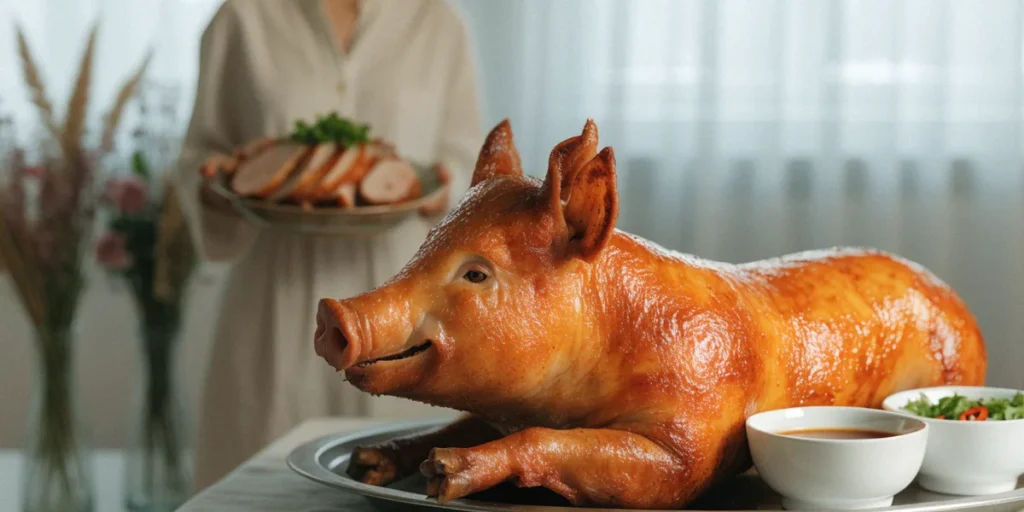
How Much Lechon to Order per Guest: A Practical Guide for Aussie Gatherings
Picture this: you’ve invited 30 friends and family over for a backyard Filipino feast in Sydney, the esky is stocked, the pancit is simmering, and then it hits you — how much lechon do you actually need? Order too little and the last guests are left staring at an empty tray. Order too much and you’re eating lechon paksiw for a fortnight. We’ve helped countless Aussie hosts navigate this exact dilemma, and the good news is that the maths is simpler than you think. This guide walks you through serving sizes, catering options, and the practical calculations that take the stress out of ordering.
The Golden Rule: 250-300 Grams of Lechon per Guest
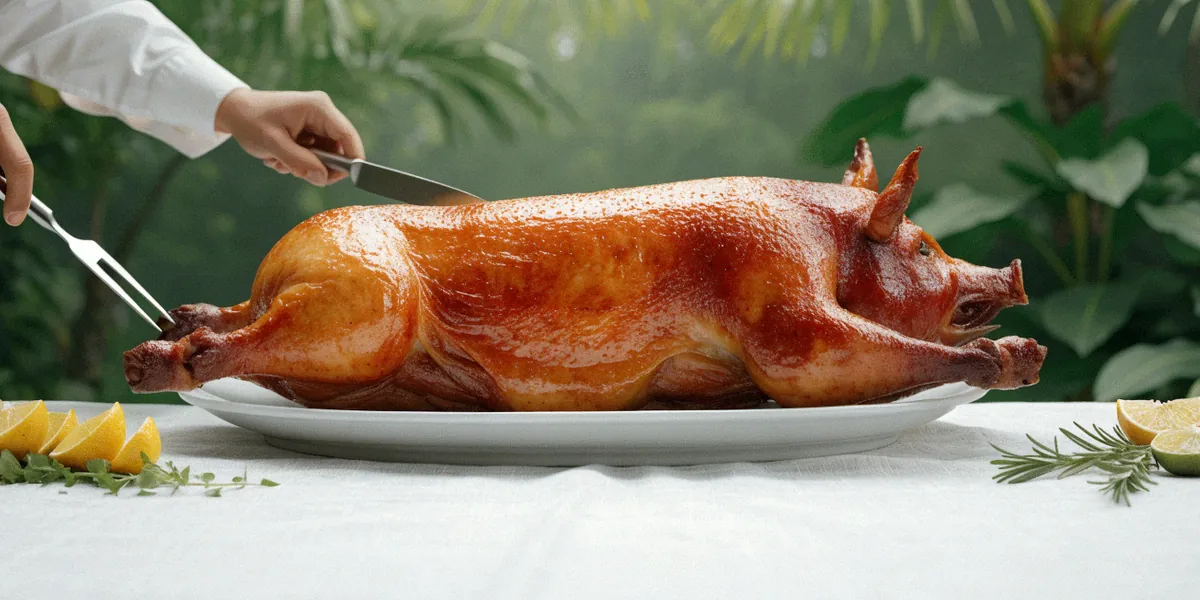
If you remember one number from this article, make it this: the standard serving size for lechon is 250-300 grams per guest. That figure accounts for the meat, the skin, and a reasonable amount of bone weight that gets left on the plate. Cebu lechon is famously rich — stuffed with lemongrass, garlic, and spring onions, then slow-roasted until the skin shatters — so a little goes a long way compared to a standard Sunday roast pork from the local butcher.
For a typical Aussie BBQ where lechon shares the table with sausages, salads, and bread rolls, 250 grams per person is a safe bet. But if you’re hosting a full Filipino feast with rice, pancit, lumpia, and dessert, you can comfortably drop to 200 grams per head. The sides do the heavy lifting, and guests tend to pace themselves across a longer meal.
Why Weight Matters More Than Piece Count
Chopping lechon into “pieces” is unreliable because every cut varies — some chunks are mostly skin and fat, others are dense with meat. Ordering by weight gives you a consistent benchmark regardless of how your caterer carves it. When you speak to a supplier, always ask for the cooked weight, not the raw weight, since roasting reduces the total mass significantly.
Adjusting for Appetite: Adults vs. Kids
Children under 12 generally eat about half an adult portion, so count them as 125-150 grams each. Teenagers, on the other hand, can out-eat most adults — we usually count them as a full portion, sometimes more. For a mixed crowd, a quick rule of thumb is to tally adults at 250g, teens at 250g, and young kids at 125g, then add a 10% buffer for seconds.
Factors That Affect Your Lechon Order
Numbers on a page only get you so far. Real gatherings have variables, and ignoring them is how hosts end up short. Here’s what we factor in before locking in an order.
Meal Type: Lunch vs. Dinner
Lunch crowds tend to eat lighter, especially in warmer months. If your party kicks off at midday with a buffet spread, 200-250 grams per person usually suffices. Dinner parties, particularly those that stretch into the evening with drinks and conversation, see higher consumption — plan for the full 300 grams if lechon is the centrepiece.
Other Filipino Dishes on the Table
The more mains you serve, the less lechon each guest will take. A table featuring pancit, lumpia, adobo, and kare-kare means lechon is one of many stars. A table where lechon is the only main event? Expect guests to load up. We recommend:
- Lechon as the only main: 300g per guest
- Lechon plus 2-3 other mains: 250g per guest
- Lechon plus 4+ mains (full fiesta spread): 200g per guest
Guest Demographics: Filipino Food Enthusiasts vs. Newcomers
Filipino guests who grew up with lechon at every celebration know exactly how much they love it — and they’ll go back for seconds. First-timers often take a smaller initial portion but may return once they taste that crackling. Interestingly, the two groups tend to balance out. Where you notice a real difference is with guests who are squeamish about whole-roasted animals; if your guest list includes several of them, lean toward lechon belly instead.
Whole Lechon vs. Lechon Belly: Which to Choose?
This is the decision that shapes your entire order. Both deliver that signature Cebu flavour, but they suit different gatherings.
Whole Lechon: Showpiece and Tradition
In Australia, a whole lechon typically weighs 4-6 kg and serves 10-15 people. It arrives as the table centrepiece — crispy, golden, and impossible to ignore. For birthdays, christenings, and milestone celebrations, nothing else comes close. The trade-off is logistics: you’ll need space to carve it, and the meat distribution varies across the animal.
Lechon Belly: Convenient and Consistent
Lechon belly rolls are the practical choice for smaller gatherings. Approximately 1 kg serves 4-6 people, and every slice delivers an even ratio of meat, fat, and crackling. They’re easier to store, reheat, and portion. If you’re feeding 15 guests in a apartment with a modest oven, belly rolls are your friend.
Catering and Delivery Options in Australia
Australia’s Filipino food scene has grown enormously, and lechon is now accessible in most major cities. Here’s where we’d point you.
Sydney: Where to Order Cebu Lechon
Cebu Lechon House in Sydney offers whole lechon and belly rolls for pickup or delivery, making it a go-to for hosts across the metro area. Their Cebu-style stuffing is authentic, and they handle large orders regularly.
Melbourne: Filipino Catering Favorites
Manila Catering in Melbourne specializes in Filipino party trays including lechon, which makes them ideal if you want a one-stop shop for pancit, lumpia, and dessert alongside your roast pork.
Brisbane and Perth: Emerging Options
Both cities now have Filipino bakeries and caterers offering lechon, though availability can be tighter. We suggest ordering 3-5 days in advance regardless of city — during peak periods like Christmas and graduation season, lead times stretch further.
Handling Leftovers and Storage
Leftover lechon is not a problem — it’s an opportunity. Stored properly in airtight containers, it stays fresh for 3-4 days in the fridge.
Reheating for Crispy Skin
The oven or air fryer is your best tool here. A few minutes at 180°C revives the crackling far better than a microwave, which steams the skin into submission. Separate the skin from the meat if you want maximum crispness.
Creative Uses: Lechon Paksiw and More
Lechon paksiw is a traditional Filipino dish made with leftover lechon, simmered in vinegar, soy sauce, garlic, and bay leaves until tangy and tender. It’s arguably better than the original on day two. You can also flake the meat into fried rice, toss it through pasta, or pile it into sandwiches.
Sample Calculations for Common Guest Counts
Here’s your quick-reference cheat sheet, based on the 250g rule.
For 10-20 Guests: Small Gatherings
At 10 guests, you need roughly 2.5 kg — one large lechon belly roll or a small whole lechon. At 20 guests, plan for 5 kg, which fits comfortably within a single whole lechon (4-6 kg) or two belly rolls.
For 50 Guests: Mid-Size Parties
For 50 guests, you’d need about 12.5 kg of lechon, which could be two whole lechons or several belly rolls. This is the point where we strongly recommend confirming with your caterer early, as two whole pigs require significant oven and transport coordination.
For 100 Guests: Large Events
At 100 guests, you’re looking at 25 kg minimum — typically four whole lechons or a mix of whole and belly. Large events usually benefit from professional catering with on-site carving staff, so factor that into your quote.
FAQ
How much lechon should I order for 30 guests?
Using the 250g rule, 30 guests need about 7.5 kg of lechon. That’s two whole lechons or roughly five to six lechon belly rolls, depending on how many other dishes you’re serving.
Is 200g of lechon per person enough?
Yes, if you’re serving a full Filipino feast with rice, pancit, lumpia, and other mains. The standard serving size for lechon is 250-300 grams per guest, but 200g works well when lechon shares the spotlight.
How far in advance should I order lechon in Australia?
We recommend 3-5 days minimum for most caterers, and up to two weeks during peak seasons like Christmas, New Year, and graduation periods. Popular suppliers like Cebu Lechon House in Sydney book out quickly.
Can I freeze leftover lechon?
Yes. Freeze the meat (not the skin) in portioned containers for up to two months. Reheat gently and crisp the skin separately in an oven or air fryer.
What’s the difference between Cebu lechon and regular roast pork?
Cebu lechon is stuffed with lemongrass, garlic, and spring onions, giving it a distinctly aromatic, savoury flavour. The skin is also roasted to a harder, glass-like crackle compared to typical Western roast pork.
At the end of the day, these calculations are a guide, not gospel. Every guest list has its big eaters, its light nibblers, and its kids who only want crackling. Talk to your caterer, be honest about your menu, and lean slightly generous — because nobody ever complained about too much lechon, but an empty tray at a Filipino party is remembered for years.