
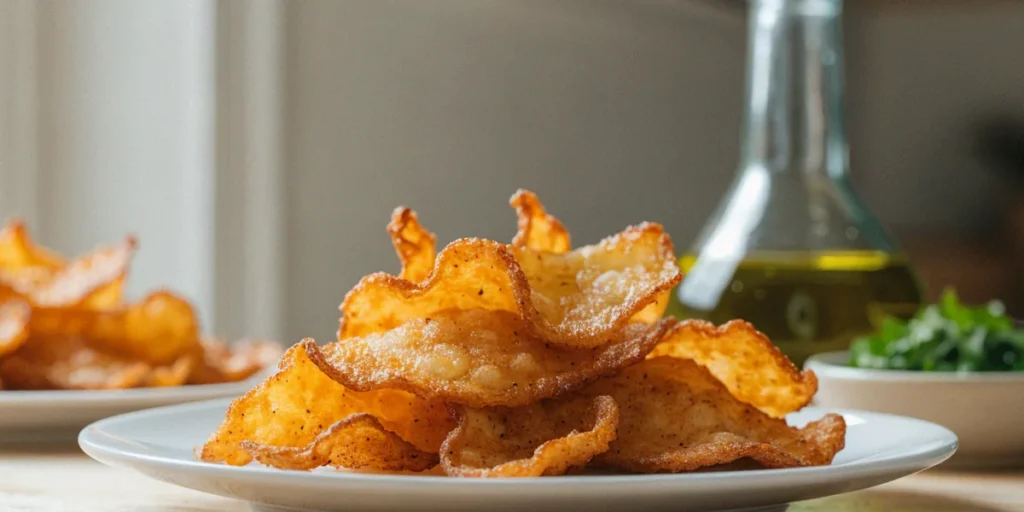
Getting Crackling Crisp Every Time: Our Guide to Perfect Lechon Skin
There’s nothing quite as deflating as pulling a beautifully roasted pork belly or whole pig from the oven, only to find the skin has gone soft, chewy, and pale instead of shattering under a knife. We’ve been there. We’ve stared at disappointing crackling more times than we care to admit, and we’ve spent years testing, burning, and eventually mastering the methods that actually work. Whether you’re roasting a pork belly in a suburban Melbourne kitchen or wrestling a whole pig onto a Weber in the backyard, this guide walks through everything we’ve learned about getting that golden, glass-like crackling every single time.
Why Crackling Fails: Common Mistakes We See
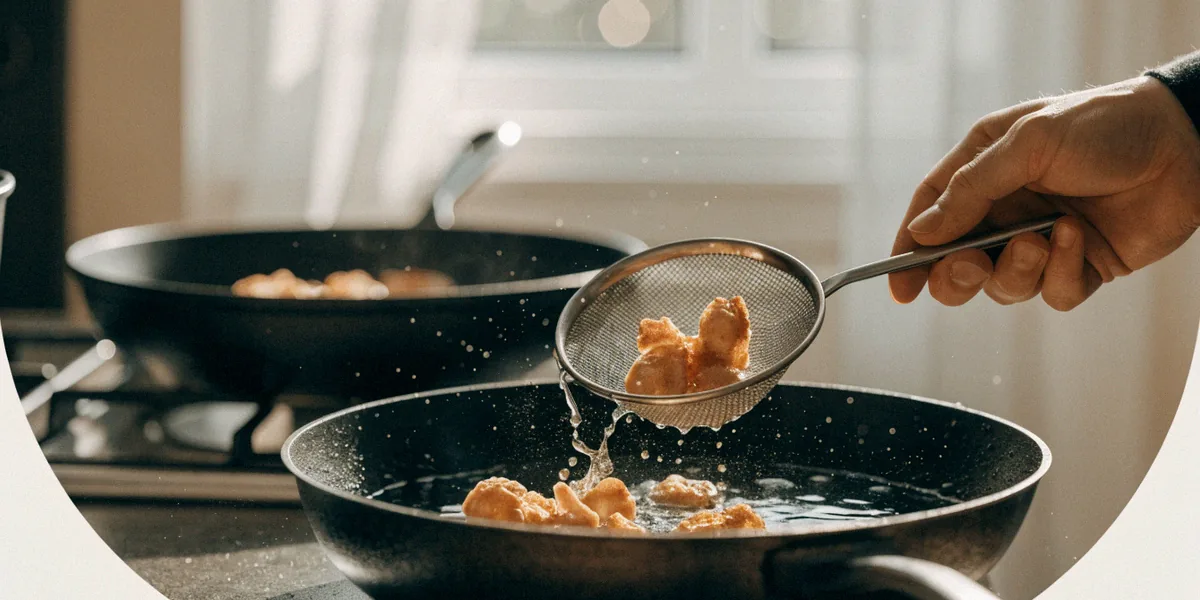
Crackling isn’t luck. It’s chemistry. When pork skin roasts, the moisture trapped in the rind needs to evaporate before the collagen and fat beneath can render and the surface can puff and crisp. If any of those steps go wrong, you end up with rubber instead of glass. We’ve watched home cooks repeat the same handful of mistakes over and over, and almost all of them trace back to moisture, temperature, or preparation.
The Role of Moisture and Steam
Water is the enemy of crackling. If the skin is still damp when it hits the heat, the oven spends its energy boiling off surface moisture instead of crisping the rind. Worse, if the pork is covered with foil or crowded in a tray, the steam it releases gets trapped and re-absorbs into the skin. We always pat the skin bone-dry with paper towel, then leave it uncovered in the fridge so the surface dehydrates further. Any marinade or baste that touches the skin should be avoided in the final stages of roasting.
Scoring and Salting: Doing It Right
Scoring isn’t just for looks. Shallow cuts about 1cm apart give fat a place to escape and let heat penetrate evenly. Cut too deep and you’ll release juices onto the skin; cut too shallow and the skin won’t open up. Salting should happen early, ideally the night before, so the salt draws moisture out of the rind. We then wipe that moisture away before roasting. Kosher or coarse sea salt works best because it pulls water without dissolving instantly into the surface.
Our Tested Techniques for Crispy Skin
After countless trials, we’ve narrowed our approach down to three core techniques that consistently deliver crackling, even in temperamental home ovens. These aren’t gimmicks. They’re methods borrowed from Cebuano lechoneros and adapted for the realities of Australian kitchens.
Air-Drying: The Overnight Trick
The single biggest upgrade we made to our lechon game was air-drying the pork overnight. After scoring and salting, we place the pork uncovered on a rack in the fridge for 12 to 24 hours. The dry fridge air pulls moisture from the skin, leaving it tacky and papery. This step alone transforms crackling from hit-or-miss into reliable. If you’re short on time, aim for at least 4 hours, but overnight is where the magic happens.
High-Heat Blast vs. Slow Roast
We’ve tried both approaches, and the answer is: do both. Start low and slow at around 160°C to cook the meat through and render the fat, then finish with a hard blast at 230–250°C for the final 20 to 30 minutes to puff and crisp the skin. Australian fan-forced ovens can dry out pork skin faster than conventional ovens, so we usually drop the temperature by 10–15°C during the slow phase and keep a close eye during the blast. If your oven runs hot, tent the pork loosely with foil until the final stage.
The Baking Soda Hack
Baking soda can be rubbed on pork skin to enhance crisping by raising the pH of the surface, which speeds up the Maillard reaction and helps the skin blister. We use a very light dusting, about 1 teaspoon mixed with a tablespoon of salt for a pork belly, rubbed in after the overnight dry. Too much and you’ll taste soap. Done right, it gives the crackling an almost glassy shatter that’s hard to achieve otherwise.
Cebu Lechon Secrets: What We Learned
Cebu lechon is known for its crispy skin and flavorful stuffing with lemongrass and garlic, and after talking with Cebuano cooks, we understood why their method produces such consistent results. It’s not just the recipe. It’s the discipline and the fire.
Traditional Stuffing and Basting
The cavity of a Cebu lechon is packed with lemongrass, garlic, spring onions, and sometimes star anise and bay leaves. These aromatics steam gently inside the pig, flavouring the meat from within while the skin roasts dry on the outside. Basting is done sparingly, and never on the skin. Instead, the cooks brush the skin with a light oil or sometimes just rely on the pig’s own fat rendering out.
Charcoal Roasting vs. Oven Roasting
Traditional Cebu lechon is roasted over charcoal on a rotating spit, often for hours, with the cook turning it constantly to ensure even heat. The radiant heat from the coals, combined with the airflow, dries the skin faster than a closed oven. We can’t all roast a whole pig in the backyard, but we can borrow the principle: open heat, constant rotation, and patience. A charcoal kettle gets you closer to that Cebuano result than any oven.
Adapting for Australian Kitchens and BBQs
Australian home cooks have some serious advantages: great butchers, great weather for outdoor cooking, and a strong BBQ culture. Here’s how we adapt lechon techniques for local kitchens.
Using a Weber Kettle for Lechon
Weber kettles are popular in Australia for home lechon roasting, often using charcoal. Set up a two-zone fire with coals banked on either side and a drip tray in the middle, then place the pork on the indirect side with the lid on. The kettle traps heat and smoke while allowing airflow, which dries the skin beautifully. Rotate the pork every 30 minutes so no side gets too much direct heat. For a pork belly, 2 to 2.5 hours at around 180°C, then a final 20 minutes over direct coals, gives fantastic crackling.
Oven Settings for Aussie Homes
Most Australian homes have fan-forced ovens, which circulate hot air aggressively. That’s great for crisping but can scorch skin before the meat is cooked. We recommend dropping the fan setting during the slow phase, or reducing the temperature by 15°C. Also, place the pork on a rack over a roasting tray so air circulates underneath. Vic’s Meats is a well-known Australian butcher chain that supplies quality pork, and we’ve found their pork belly and loin consistently have the right fat-to-skin ratio for crackling.
Troubleshooting: When Crackling Still Isn’t Crisp
Even with the best preparation, things go sideways. Humidity, thick skin, and uneven ovens are the usual culprits. Here’s how we fix them.
Rescuing Soggy Skin
- Remove the pork from the tray and blot the skin with paper towel.
- Switch the oven to grill/broil on high and place the pork on the top rack, watching it constantly.
- Use a kitchen blowtorch to spot-crisp stubborn patches without overcooking the meat.
- Return the pork to a very hot oven (250°C) on a dry rack for 10 minutes, then rest.
Preventing Future Failures
If your crackling keeps failing, check three things: skin thickness (ask your butcher for a younger pig or a thinner-cut belly), humidity (roast on a dry day or use a dehumidifier), and oven hot spots (rotate the tray halfway through). Also confirm your oven’s actual temperature with a thermometer; many run 10–20°C off the dial.
FAQ
Can I get crispy lechon skin without a whole pig?
Absolutely. Pork belly is the easiest cut for home crackling and behaves very similarly to whole-pig skin when salted, air-dried, and roasted with a high-heat finish.
How long should I air-dry the pork skin?
We aim for 12 to 24 hours uncovered in the fridge. If you’re short on time, even 4 hours makes a noticeable difference compared to roasting straight away.
Is baking soda safe to use on pork skin?
Yes, in small amounts. A light dusting mixed with salt raises the pH and helps the skin crisp. Use about 1 teaspoon per pork belly and never apply it in thick layers.
Why does my crackling go soft after resting?
Steam is usually the cause. Rest the pork uncovered on a rack, not on a plate, and avoid tenting with foil. If you must keep it warm, use a low oven with the door slightly ajar rather than wrapping it.
Can I use a Weber kettle for a whole pig?
It’s possible with a smaller suckling pig and a carefully managed two-zone charcoal setup, but most home cooks get better results with pork belly or loin on a kettle and save the whole pig for a specialist Cebuano lechon pit.
Perfect crackling comes down to patience, preparation, and paying attention to the small details: dry skin, proper salt, controlled heat, and a willingness to adjust for your oven or BBQ. We’ve burned our share of pork getting here, and we’d love to hear what works in your kitchen. Share your own lechon tips with us, and let’s keep the crackling crisp.